
Giant Hogweed (Heracleum mantegazzianum) FAQs

Frequently asked questions about Giant Hogweed  for a UK resident:

Commercial

Comprehensive invasive weed control

Residential

Find and tackle problem weeds

Knowledge Hub

Learn about conservation

Giant Hogweed (Heracleum mantegazzianum)

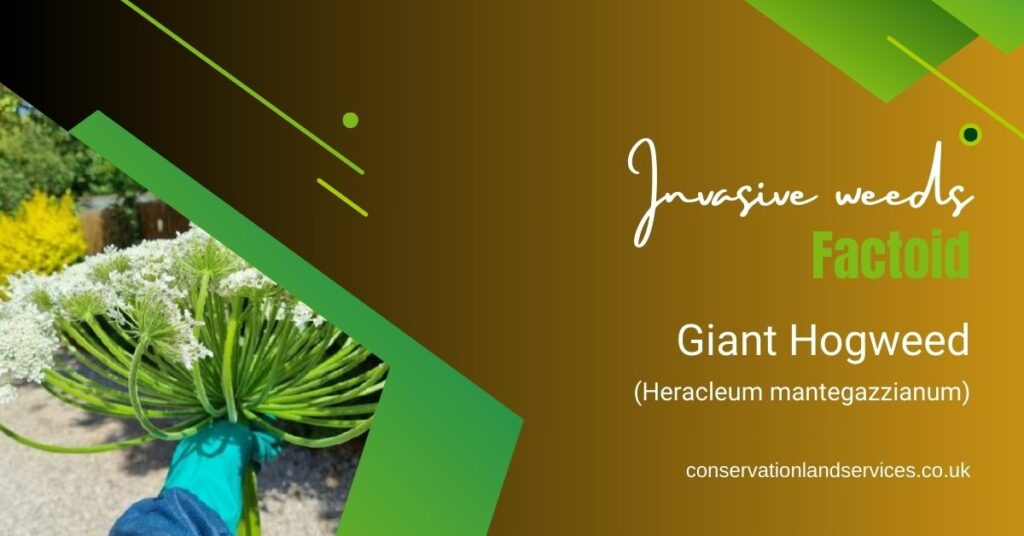
A towering and imposing plant that has become a growing concern across the UK.  This striking botanical beauty has now become a serious threat to both human health and local ecosystems.

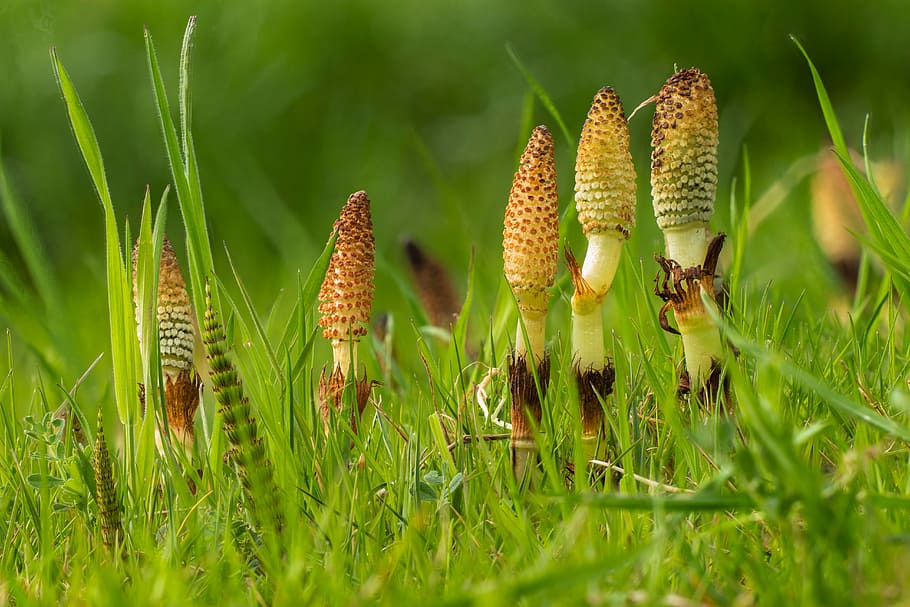
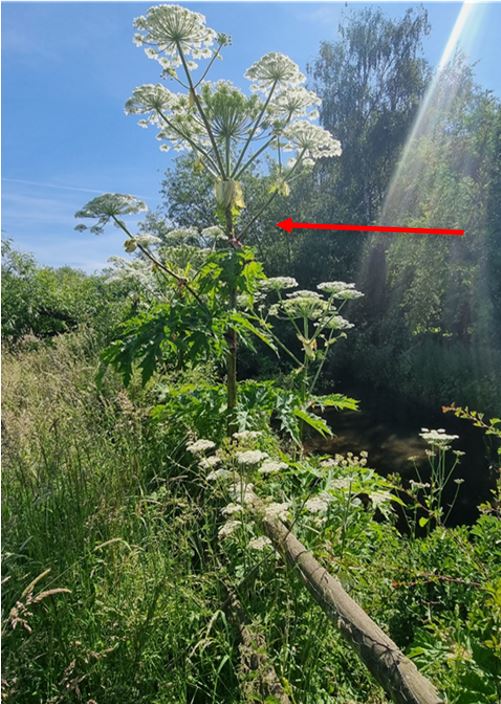
An example of Giant Hogweed with Common Hogweed in the foreground
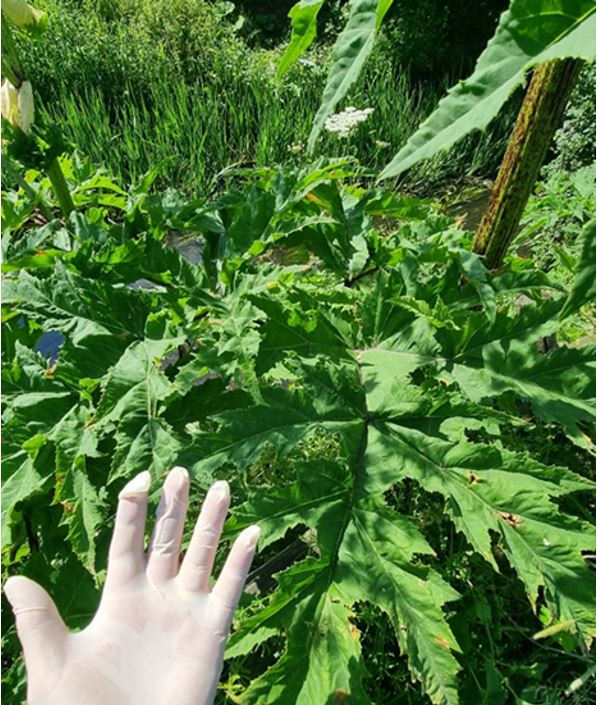
Example of a Giant Hogweed leaf.

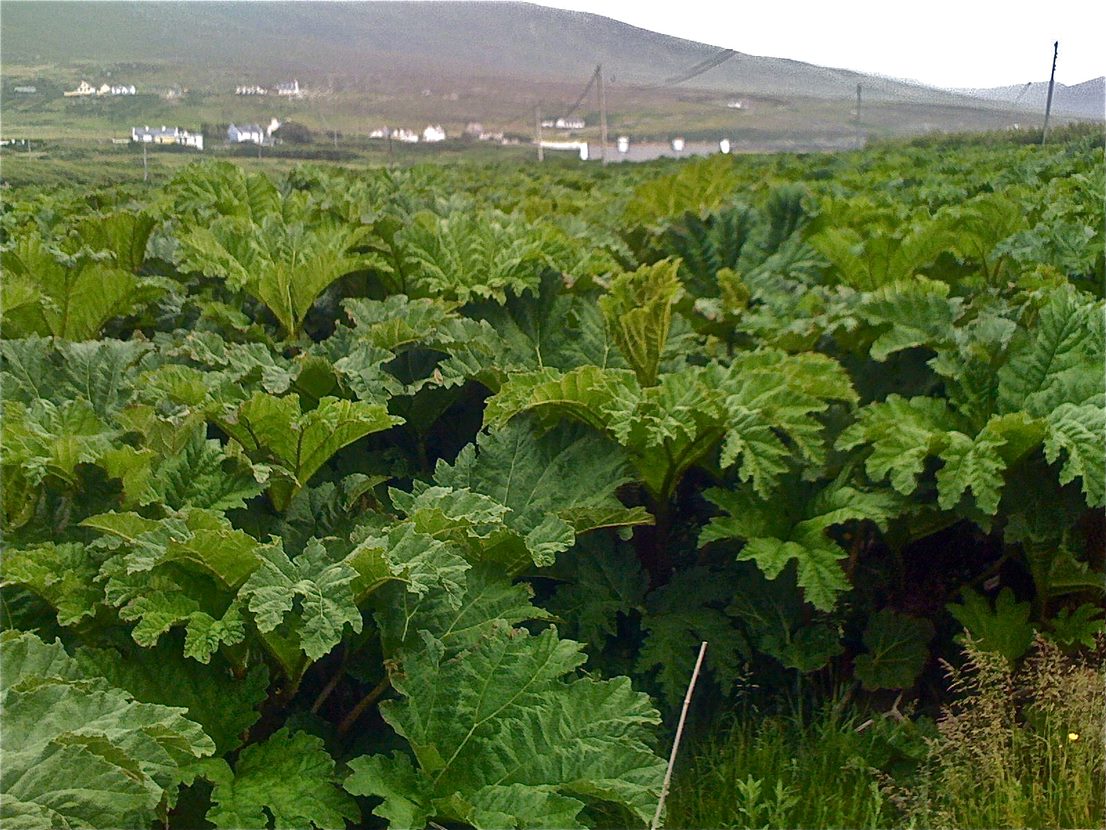
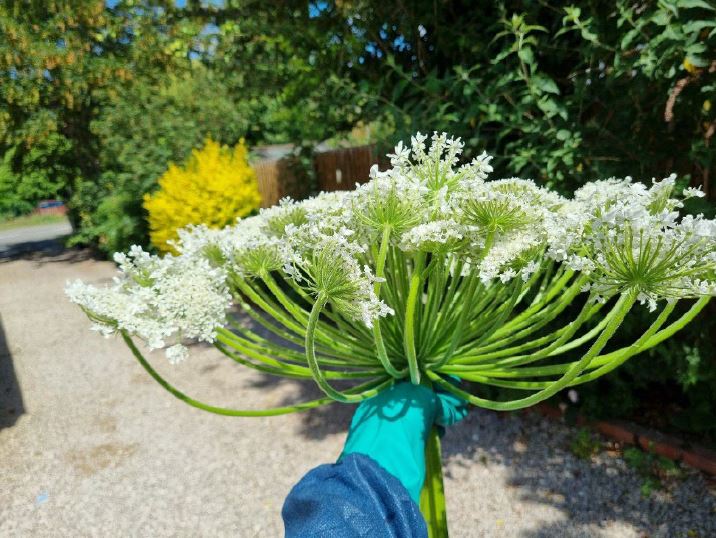
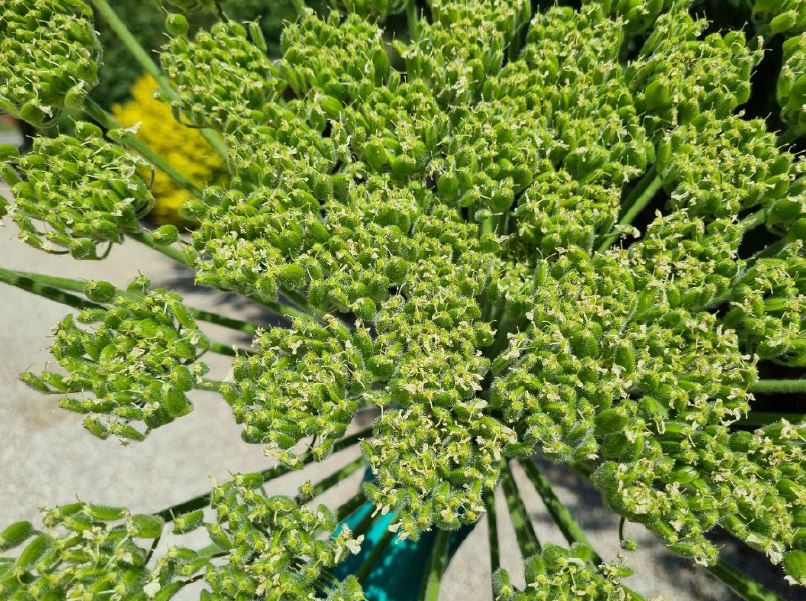
Everything about Giant Hogweed is very big. Giant hogweed has huge leaves often over 1.5 m long sometimes more than 2m and flower heads up to 80cm or more wide. Stems are green with purple blotches and coarse white hairs.

Along riverbanks, ditches, waste grounds and gardens, but also can be found along field margins and woodland clearings. It thrives on damp, nutrient-rich soils.

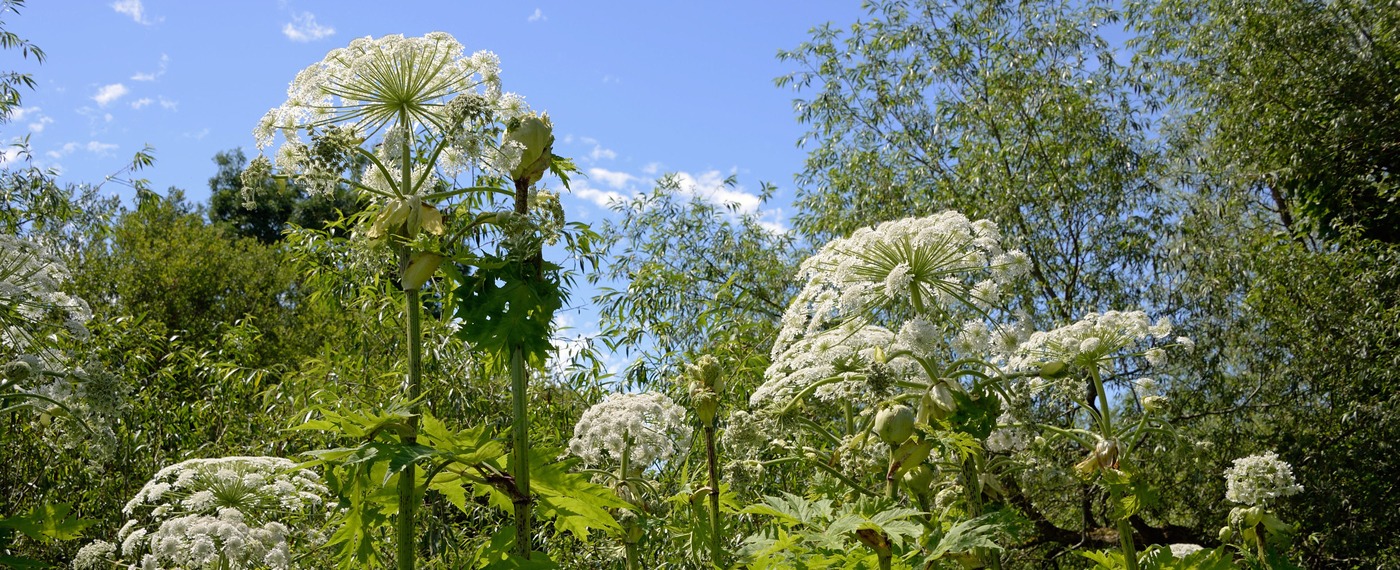
It blooms from June to July, with white flowers clustered in an umbrella-shaped head.

By seeds, which can spread by water or ground disturbance.

Giant Hogweed is a herbaceous biennial, which means it takes two years to reach maturity to flower and seed. Once Giant Hogweed reaches maturity it grows rapidly, reaching heights of 3-5 metres.

Yes, giant hogweed is toxic. Its clear sap causes photosensitivity in the skin which can produce severe burns.

It can cause severe skin and eye burns, blisters, long-lasting scars.

Yes, avoid going near it and do not touch the plant. Cover exposed skin and wear gloves if removing.

By breaking the lifecycle and preventing seed production. Repeated treatments maybe needed. Seek expert help for large infestations.

Yes, it is illegal to plant or cause giant hogweed to grow in the wild under the Invasive Alien Species (Enforcement and Permitting) Order (2019).

Uncover the Secrets of Invasive Weeds

Subscribe to our YouTube channel for expert insights and practical tips on identifying and managing these relentless plant invaders

More from the Knowledge Hub

Commercial Sector

Invasive Weeds and Flood Risk: The Surprising Link Every Landowner Needs to Understand

Invasive weeds like Himalayan Balsam weaken riverbanks, speed up erosion, and worsen floods. Learn how to protect your land, before the next downpour.
Read More →
Hemlock plants
Giant Hogweed

Beyond Knotweed: The Dangerous Weeds Lurking in Your Garden

Think Knotweed is the only problem? Discover the dangerous invasive weeds in the UK that can land you in hospital. Learn how to identify Giant ...
Read More →
Goldenrods
Composting

Non-native Plants You Should Never Compost at Home

Composting is an excellent way to reduce waste and create nutrient-rich soil for your garden. However, not all plant materials are suitable for home composting. ...
Read More →
River Thames aerial view
Commercial Sector

Understanding the Impact of Invasive Weeds on UK Property Values: A Guide for Estate Agents

In the ever-evolving UK property market, estate agents must stay informed about factors that can affect property values. One often overlooked but significant issue is ...
Read More →
Ignored Japanese Knotweed on property
Commercial Sector

How Invasive Weeds Can Undermine Property Values

Contents Introduction Hey there! If you’re a homeowner or thinking about selling your property, you might not think of your garden as a potential deal-breaker. ...
Read More →
Snowman
Buddleia

A Christmas Round-Up of Non-Native Invasive Weeds in the UK

Discover how non-native invasive weeds survive the UK's winter in this comprehensive Christmas round-up, highlighting their impact on native flora and management strategies.
Read More →

Free Consultation

Book an appointment for a call back.

Factoids
Japanese Knotweed
Giant Hogweed
Bamboo
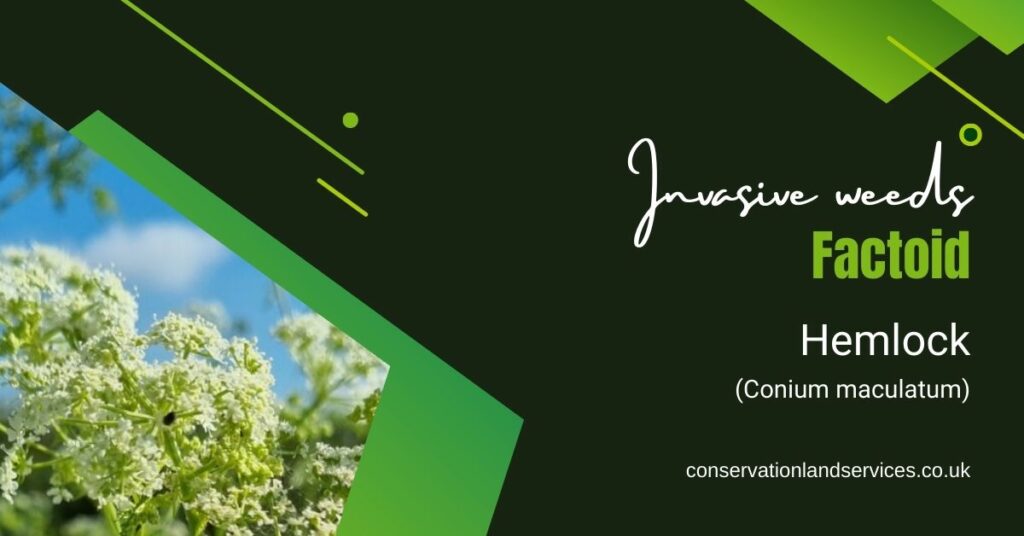
Hemlock
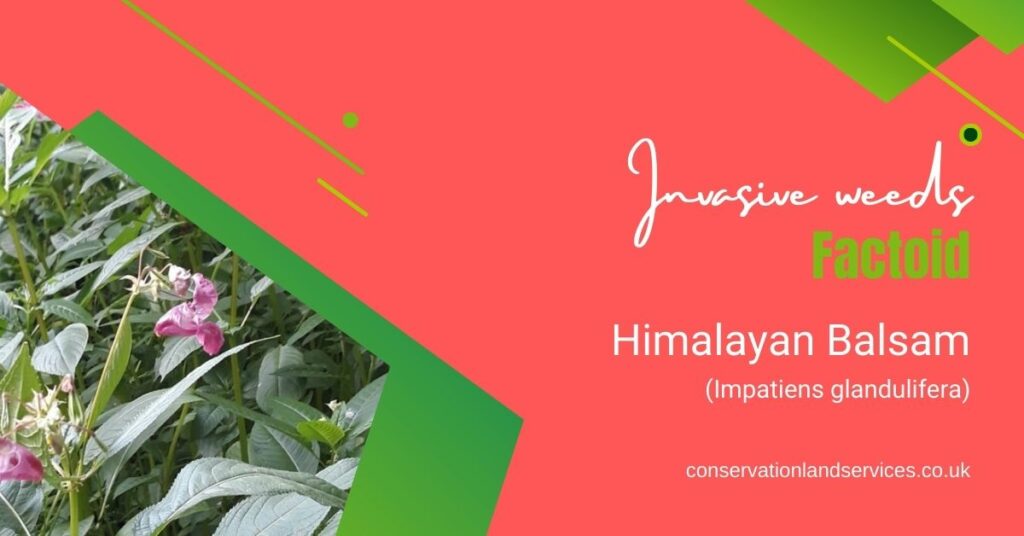
Himalayan Balsam
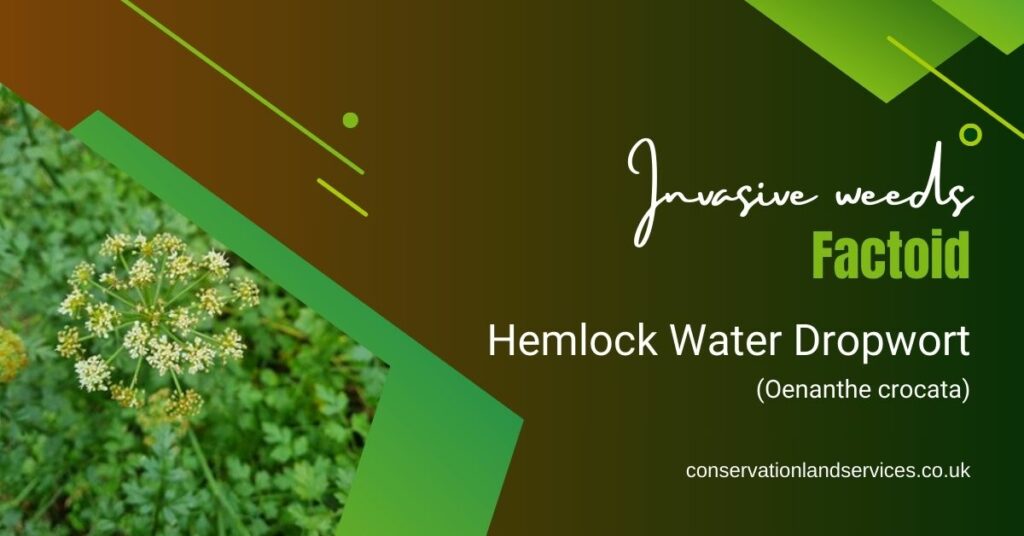
Hemlock Water Dropwort